Can Debt Consolidation Stop Creditor Calls and Wage Garnishment in Wisconsin?
Many people facing debt in Appleton, WI, want to know whether debt consolidation alone can silence creditor calls and stop wage garnishment or whether a stronger legal tool is needed. The short answer is that traditional debt consolidation does not carry the same legal force as filing for bankruptcy or using Wisconsin's Chapter 128 program. Understanding the difference between these options may help you protect your paycheck and your peace of mind.
What Debt Consolidation Can and Cannot Do
Debt consolidation combines multiple debts into a single payment, often through a private lender or credit counseling agency. This approach can simplify your monthly obligations and sometimes lower your interest rate. However, standard debt consolidation does not carry any court-ordered legal protection. Creditors are under no legal obligation to stop calling you simply because you enrolled in a consolidation program.
Creditors may still pursue collection activity, file lawsuits, and seek wage garnishment orders while you are in a consolidation plan. The calls and letters can continue until a creditor agrees to stop or a court orders them to do so. If your debts have already gone to collections, consolidation alone is unlikely to end the harassment.
How Wisconsin Law Handles Creditor Calls and Garnishment
Wisconsin residents have specific legal rights when it comes to debt collection. No creditor can garnish wages in Wisconsin without first filing a lawsuit, winning a court judgment, and obtaining a separate garnishment order from a Wisconsin court. That process takes time, and knowing where you stand in that timeline matters.
Once a garnishment is in place, in the State of Wisconsin, 20% of your disposable earnings can be garnished and continue for 13 weeks, unless you can show you are exempted.
Under the federal Fair Debt Collection Practices Act (FDCPA), you can send a written cease-communication letter to a third-party collector. Once a collector receives that letter, contact must stop except to confirm it is ending or to note a specific remedy. The Wisconsin Consumer Act also bars harassing or deceptive collection and reaches original creditors the FDCPA does not cover. This approach can reduce calls, but it does not stop a lawsuit or a garnishment already in motion.
Wisconsin Chapter 128 — A Legal Tool That Can Stop Garnishment
Wisconsin offers a unique state-level option that functions as a legal form of debt consolidation with real court-backed protections. Chapter 128 is a Wisconsin debt consolidation law that lets Wisconsin residents pay their debts over time without declaring bankruptcy. During the repayment period, creditors may not garnish your wages.
Chapter 128 lets Wisconsin residents repay debts over 36 months, stop garnishments, and avoid bankruptcy. The plan is supervised by a court-appointed trustee who collects your monthly payment and distributes it to creditors. For Appleton, WI, residents managing multiple unsecured debts such as credit cards or medical bills, this may offer meaningful relief without the long-term credit impact of a federal bankruptcy filing.
Chapter 128 is not bankruptcy and will not appear on your credit report as a bankruptcy.
There are eligibility requirements to keep in mind:
- You must be employed and receiving regular wages.
- You cannot include debts such as income taxes owed to government entities.
- You cannot include secured debt like a car payment without the creditor's consent.
Learn more about how this option works on the Chapter 128 Reorganization page.
When Bankruptcy May Be the Better Option
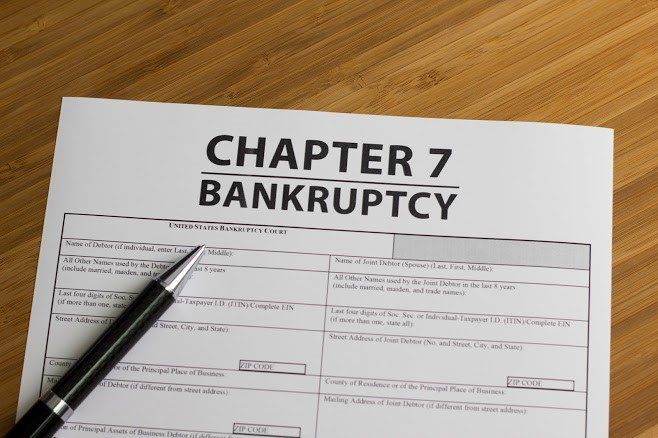
For some Appleton, WI, residents, Chapter 128 may not go far enough. If you have significant secured debt, face foreclosure, or have debts that Chapter 128 cannot cover, Chapter 7 or Chapter 13 bankruptcy may provide broader relief.
Filing for bankruptcy triggers what is known as the automatic stay. This is a court-ordered protection that goes into effect the moment your petition is filed. That usually stops collection calls, lawsuits, garnishments, and repossessions while the case is active.
- Chapter 7 bankruptcy can discharge most unsecured debts relatively quickly.
- Chapter 13 allows you to restructure what you owe and catch up on secured debts like a mortgage.
- Both options immediately stop wage garnishment and creditor calls through the automatic stay.
If creditors are contacting you aggressively or have already obtained a judgment, it may be time to explore these stronger protections. You can review your rights around creditor harassment and wage garnishment to understand what options apply to your situation.
Does Debt Consolidation Stop Creditor Calls in Wisconsin?
Standard debt consolidation does not legally require creditors to stop calling you. Only a formal cease-communication letter, a Chapter 128 filing, or a bankruptcy petition can compel creditors to halt collection activity. The right tool depends on how far along the collection process has gone.
Can Chapter 128 Really Stop Wage Garnishment?
Yes, it can. Filing a Chapter 128 will stop a wage garnishment, provided the Chapter 128 documents are properly filed and properly list the company or lawyer that is garnishing your wages. Working with an attorney helps ensure the filing is complete and accurate.
Get the Right Guidance for Your Situation in Appleton, WI
Combining multiple debts into a single plan is not a one-size-fits-all solution. Standard consolidation programs may ease your payment burden, but they typically do not stop creditor harassment or wage garnishment on their own. Wisconsin's Chapter 128 and federal bankruptcy options offer court-backed protections that consolidation programs simply cannot match.
The Law Offices of John A. Foscato, S.C. serves clients throughout the Appleton area and can help you evaluate whether Chapter 128, Chapter 7, Chapter 13, or another debt relief strategy makes sense for your circumstances. Call (920) 432-8801 today to schedule a free consultation, or contact us online to take the first step toward protecting your paycheck and stopping creditor calls for good.