Wisconsin Chapter 128 vs. Debt Consolidation Loans: What Appleton Residents Need to Know in 2026
Wisconsin Chapter 128 debt amortization is a state-specific legal tool that lets qualifying Wisconsin residents repay unsecured debts through a court-supervised plan. Appleton, WI, residents in 2026 need to understand how it compares to a conventional debt consolidation loan before choosing a path forward. Both options aim to simplify repayment, but they differ significantly in structure, cost, credit impact, and legal protection.
What Is Wisconsin Chapter 128 Debt Amortization?
Chapter 128 of the Wisconsin Statutes is a court-supervised repayment plan available only to Wisconsin residents. To file, you must be a Wisconsin resident with a consistent source of income. It allows eligible residents to consolidate and repay unsecured debts over up to three years.
Once you file, a court order requires creditors such as credit card companies, medical providers, payday lenders, utilities, and civil judgment holders to accept a structured monthly payment. Chapter 128 also stops interest and penalties from accruing on covered accounts and prohibits creditors from continuing collection activity.
Covered debts include credit cards, payday loans, medical bills, late utility bills, speeding tickets, and rent payments. Secured debts such as mortgages and car loans cannot be included.
For Appleton residents carrying credit card balances, medical bills, or payday loan debt, this is a meaningful local tool. Learn more on the Chapter 128 reorganization page.
How Does a Debt Consolidation Loan Compare?
A debt consolidation loan is a private lending product with no automatic legal protections. A bank pays off your existing debts, and you repay that lender in one monthly payment at a fixed interest rate. Approval depends on your credit score, debt-to-income ratio, and income. If your credit is already damaged, qualifying for a favorable rate may be difficult.
There is no court-ordered interest freeze. Interest continues to accrue at whatever rate the lender charges, and missed payments can result in late fees, delinquency reporting, or balance acceleration. No trustee protects you from wage garnishment during repayment.
For Appleton residents with stable credit and manageable debt, a debt consolidation loan may be reasonable. But for those facing garnishments, creditor calls, or high-interest debt they cannot service, Chapter 128 offers legal protections no private loan can match.
Credit Impact: Which Option Hurts Less?
Chapter 128 does not appear on your credit report as a bankruptcy. Because you repay everything in full, the credit impact tends to be less severe and shorter-lived than a bankruptcy filing.
A debt consolidation loan, if managed well, may improve your score over time by reducing credit utilization. However, applying triggers a hard inquiry, and if you already have missed payments or collections, your score is likely already affected. Chapter 128 generally protects your credit rating better than bankruptcy in most cases.
Which Debts Does Each Option Cover?
Chapter 128 is limited to unsecured debts, which may include credit card balances, medical bills, payday loans, past-due utility bills, and civil judgments. Secured debts such as auto and home loans cannot be addressed through Chapter 128.
A consolidation loan can technically be used for any purpose the lender permits, but using one to pay off secured debts is rare and may carry higher risk. For Fox Valley area residents dealing primarily with medical or credit card debt, Chapter 128 may cover everything that matters most.
Does Chapter 128 Stop Wage Garnishment?
Once you file under Chapter 128, creditors are legally prohibited from pursuing wage garnishment or collection actions. A consolidation loan offers no such protection. If a creditor has already begun garnishing wages in Outagamie County, filing under Chapter 128 can halt that process immediately.
Do I Need a Lawyer to File Chapter 128?
You are not legally required to have an attorney, but the filing involves court documents, an affidavit of indebtedness, a proposed repayment schedule, and trustee coordination. Mistakes in the petition can delay protection or result in dismissal. An experienced Wisconsin debt relief attorney can help you identify the best option for your situation.
What Happens If I Miss a Payment Under Chapter 128?
If you default on payments, the Chapter 128 petition is dismissed and interest and penalties begin accruing again. Unlike simply missing a loan payment, a dismissed Chapter 128 also removes your court-ordered creditor protections immediately.
Can I Use Chapter 128 and a Consolidation Loan Together?
Generally, no. Once a Chapter 128 plan is in place, creditors included are bound by its terms, and taking on new debt may interfere with the plan's feasibility. An attorney can advise whether any combination of tools makes sense for your specific debt profile.
When Should Appleton Residents Call a Bankruptcy Attorney?
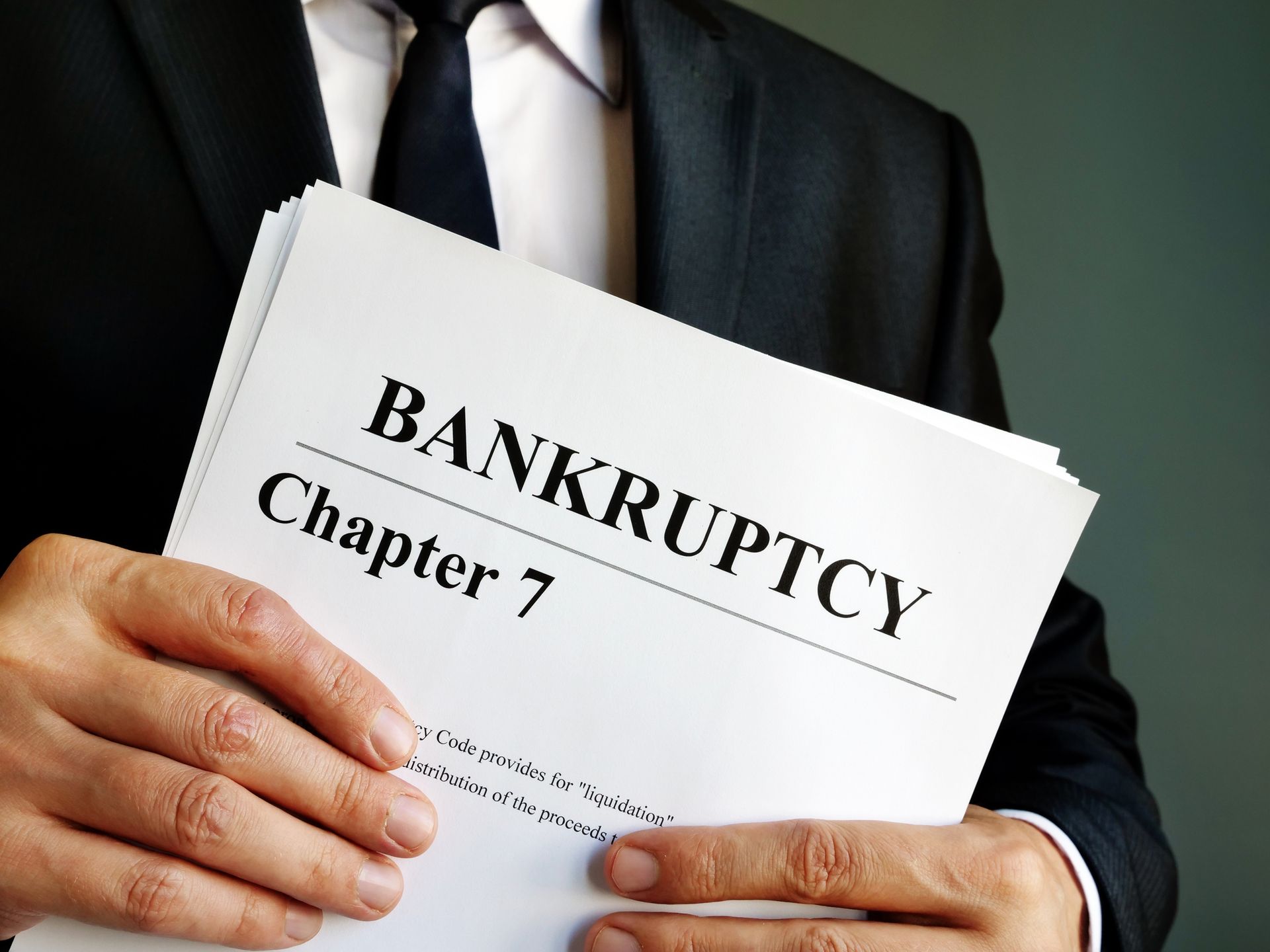
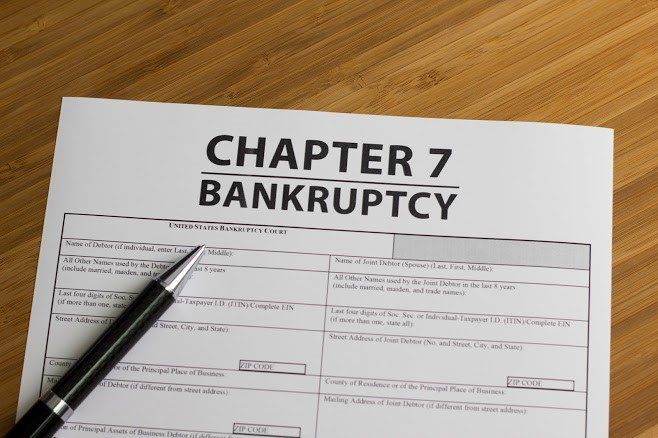
A debt consolidation loan may work if your credit is strong and your total debt load is modest. Chapter 128 may be the better fit when creditors are calling, garnishments have begun, or interest is making repayment impossible. When total debt is too large for either option, federal bankruptcy under Chapter 7 or Chapter 13 may be appropriate. Review your options on the bankruptcy alternatives page.
Take the Next Step With a Trusted Wisconsin Debt Relief Attorney
If you are an Appleton, WI, resident weighing Chapter 128 against other debt relief options in 2026, personalized legal guidance is the most important step you can take. The Law Offices of John A. Foscato, S.C. serves Appleton and the surrounding Fox Valley communities, helping residents understand which legal tools fit their income, debt type, and long-term goals. Call (920) 432-8801 to schedule a free consultation, or contact the firm online to get started.