Chapter 7 vs. Chapter 13 Bankruptcy in Wisconsin: Which Bankruptcy Lawyer Strategy Is Right for You in 2026?
Choosing the right bankruptcy chapter is one of the most important financial decisions a Wisconsin resident can make in 2026. Whether you are a Green Bay homeowner facing foreclosure, a Fox Valley family dealing with medical bills, or a Brown County worker hit with wage garnishment, the chapter you choose affects how fast you get relief, what assets you keep, and how long the process takes. Working with a bankruptcy lawyer in Green Bay, WI, helps you understand which path fits your situation.
How Chapter 7 and Chapter 13 Differ
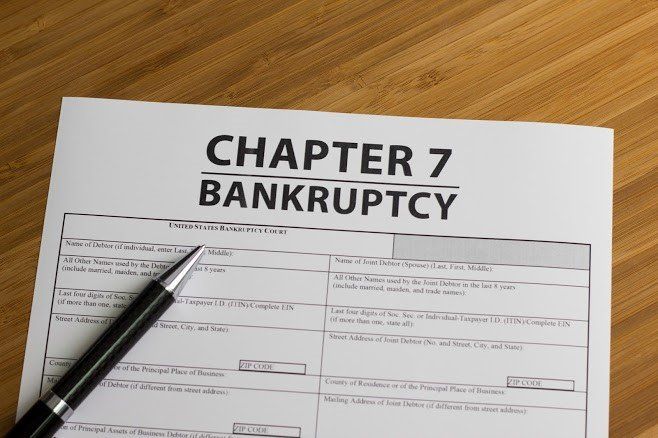
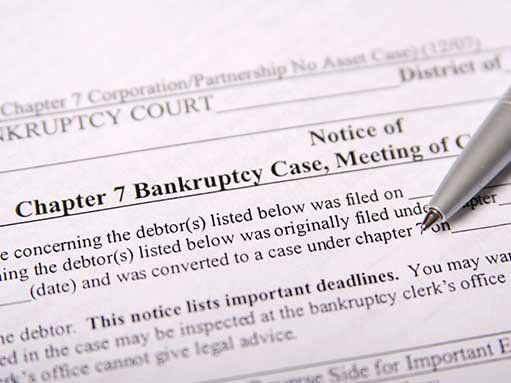
Chapter 7 is a liquidation process that wipes out most unsecured debts, such as credit card balances, medical bills, and unpaid utilities, without a repayment plan. Most Wisconsin Chapter 7 cases wrap up in three to six months. Chapter 13 reorganizes debts into a three-to-five-year court-approved repayment plan for people with steady income who cannot keep pace with creditors.
A quick comparison:
- Discharge timeline: Chapter 7 may complete in months; Chapter 13 takes three to five years.
- Repayment plan: Chapter 7 has none; Chapter 13 requires monthly trustee payments.
- Asset protection: Chapter 13 is generally stronger for keeping a home or vehicle.
- Credit report: Chapter 7 may remain up to 10 years; Chapter 13 up to 7 years.
What Are the Wisconsin Means Test Thresholds for 2026?
The Wisconsin means test determines whether you qualify for Chapter 7. Current median income thresholds (effective November 1, 2025) range from approximately $69,343 for a single-person household to over $152,000 for a household of six. If your income falls below the median for your family size, you likely pass automatically. If it exceeds the median, a second stage reviews allowable expenses to determine eligibility. Social Security income is excluded from this calculation, which can help fixed-income filers qualify.
If you do not pass either stage, Chapter 13 may be your available option. Chapter 13 has no means test but requires unsecured debts below roughly $360,475 and secured debts below approximately $1,081,400.
When Chapter 7 May Be the Right Fit
Chapter 7 may work well if you have limited disposable income, primarily unsecured debts, and no need to save a home from foreclosure. It is often a strong option for Green Bay residents dealing with job loss or a medical crisis. A bankruptcy lawyer can help ensure you do not overlook exemptions or eligibility issues before you file.
When Chapter 13 May Be the Right Fit
Chapter 13 is effective if you want to keep your home and catch up on missed mortgage payments through a structured plan. For homeowners in areas like Allouez or Howard, protecting equity through Chapter 13 may be the stronger choice. It also serves people whose income is too high for Chapter 7 but who still cannot manage current debt payments.
A Note on Wisconsin's Chapter 128 Option
Wisconsin offers a state-specific tool called Chapter 128, which allows certain individuals to repay unsecured debts under court supervision without filing federal bankruptcy. It may be worth discussing alongside your other options.
Take the Next Step Toward Financial Relief
The Law Offices of John A. Foscato, SC, has helped thousands of individuals and families throughout Northeast Wisconsin find the right path forward. Call
(920) 432-8801 for a free consultation, or
contact us online. Learn more on our
consumer bankruptcy page or read client reviews at
Law Offices of John A. Foscato, SC.